Catastrophic Disasters
Overview
Australia's disaster prevention, response and recovery strategies primarily target common disasters (such as bushfires, floods and storms). Evidence shows that larger-scale disasters pose an overall greater risk, even if their frequency is lower. If the reader of this document is to die in a disaster, it's likely to be a catastrophic disaster potentially affecting many millions of other people.
Good Ancestors thinks emergency management agencies at state and federal levels systematically neglect lower-likelihood, higher-consequence disasters. This makes their policies and programs less effective than they could be. In the extreme, neglect of these disasters could even lead to loss of national sovereignty or contribute to civilisational collapse or human extinction.
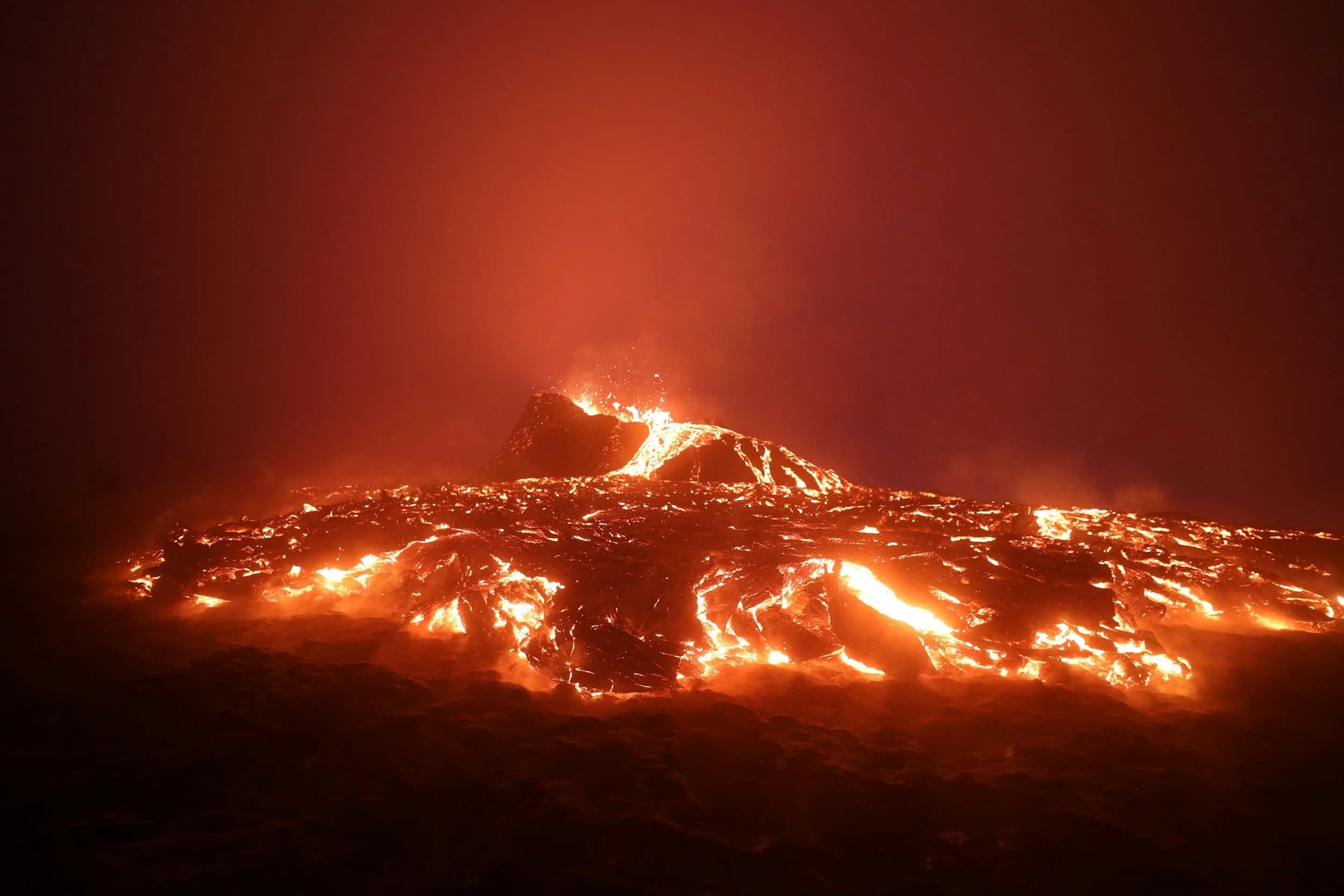
Overall, Good Ancestors recommends a much greater focus on risks like nuclear war, space weather, and disasters that can interrupt the food system, such as large volcanic eruptions or supply chain disruptions.
Our Work
| Title | Date | Relevant Entities |
|---|---|---|
| Commonwealth Crisis Response | April, 2024 | Department of Home Affairs |
| Commonwealth Senate Inquiry into Australia's Disaster Resilience | February, 2023 | The Commonwealth Government of Australia |
| Defence strategic review | February, 2023 | Department of Defence |
| Transforming the Australian Food System | January, 2023 | CSIRO |
| Disaster ready fund | October, 2022 | The Commonwealth Government of Australia |